
Schlagwort: AKAYO Book Club
-
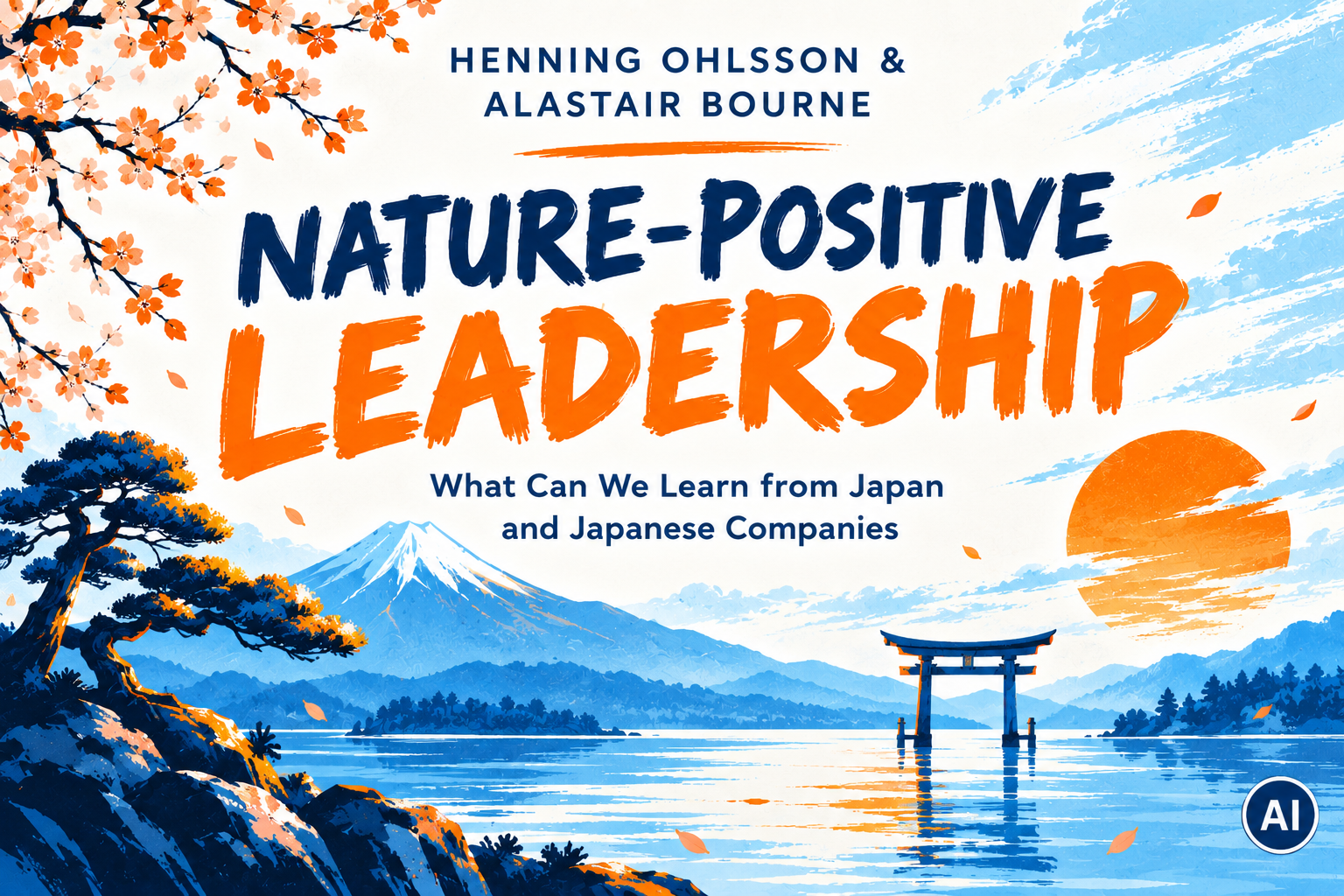
„Nature-Positive Leadership“
Drawing on Japan’s distinct relationship with nature — rooted in a worldview where, as the authors put it, people see themselves as part of nature rather than separate from or meant to conquer it — Ohlsson and Bourne trace how…
-
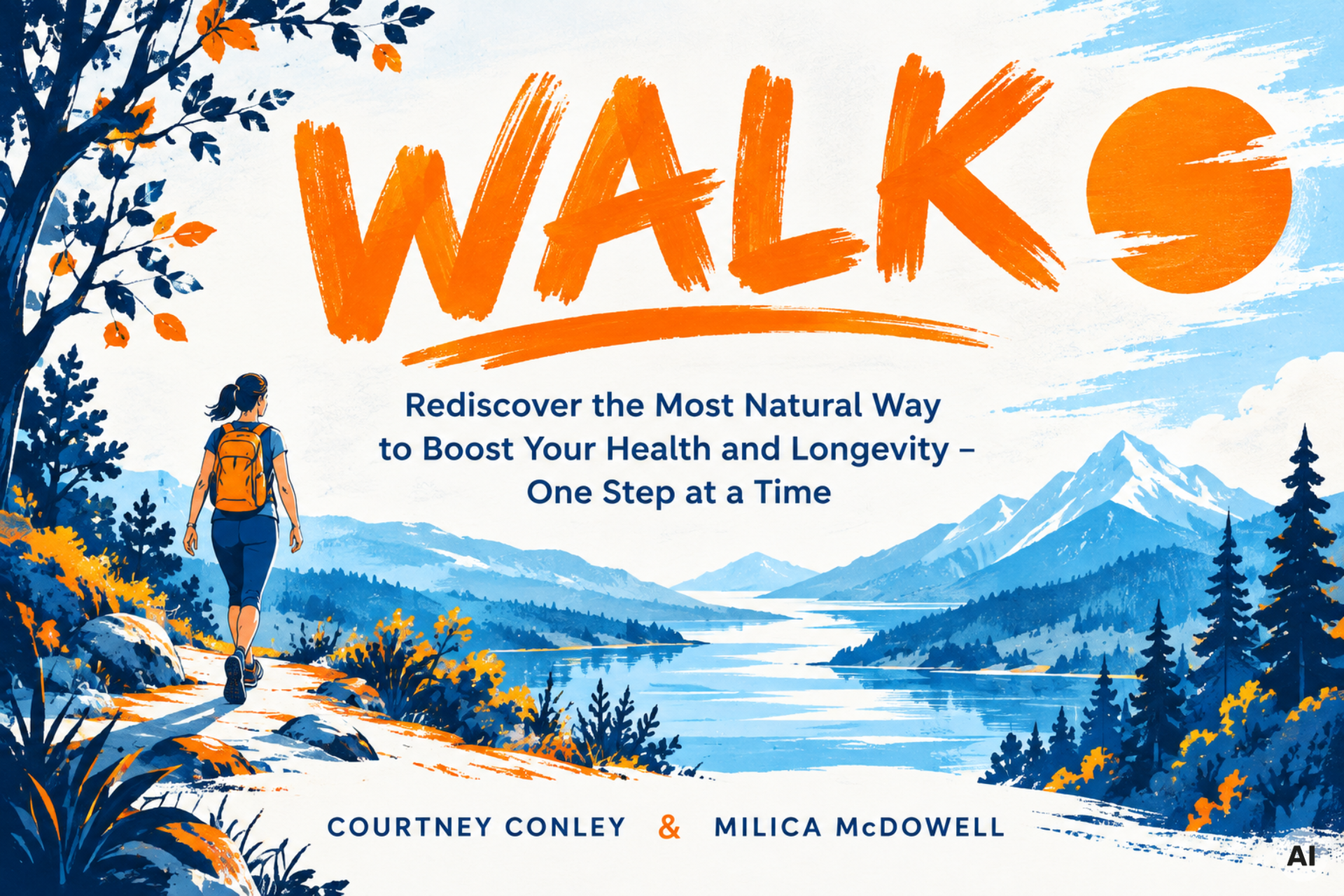
„Walk: Rediscover the Most Natural Way to Boost Your Health and Longevity“
Beyond step-counting, the book offers practical self-assessments, guidance on choosing genuinely foot-healthy shoes, and short „movement snacks“ designed to ease common knee, hip, and lower back pain.
-

„Simple Ikigai: Die fünf Säulen zu innerer Ruhe, Klarheit und Lebensfreude“
Statt einer rein theoretischen Einführung setzt das Buch auf konkrete Übungen und Reflexionsfragen, mit denen Leser:innen ihr eigenes Ikigai Schritt für Schritt entdecken und alte, einschränkende Denk- und Verhaltensmuster auflösen können.
-
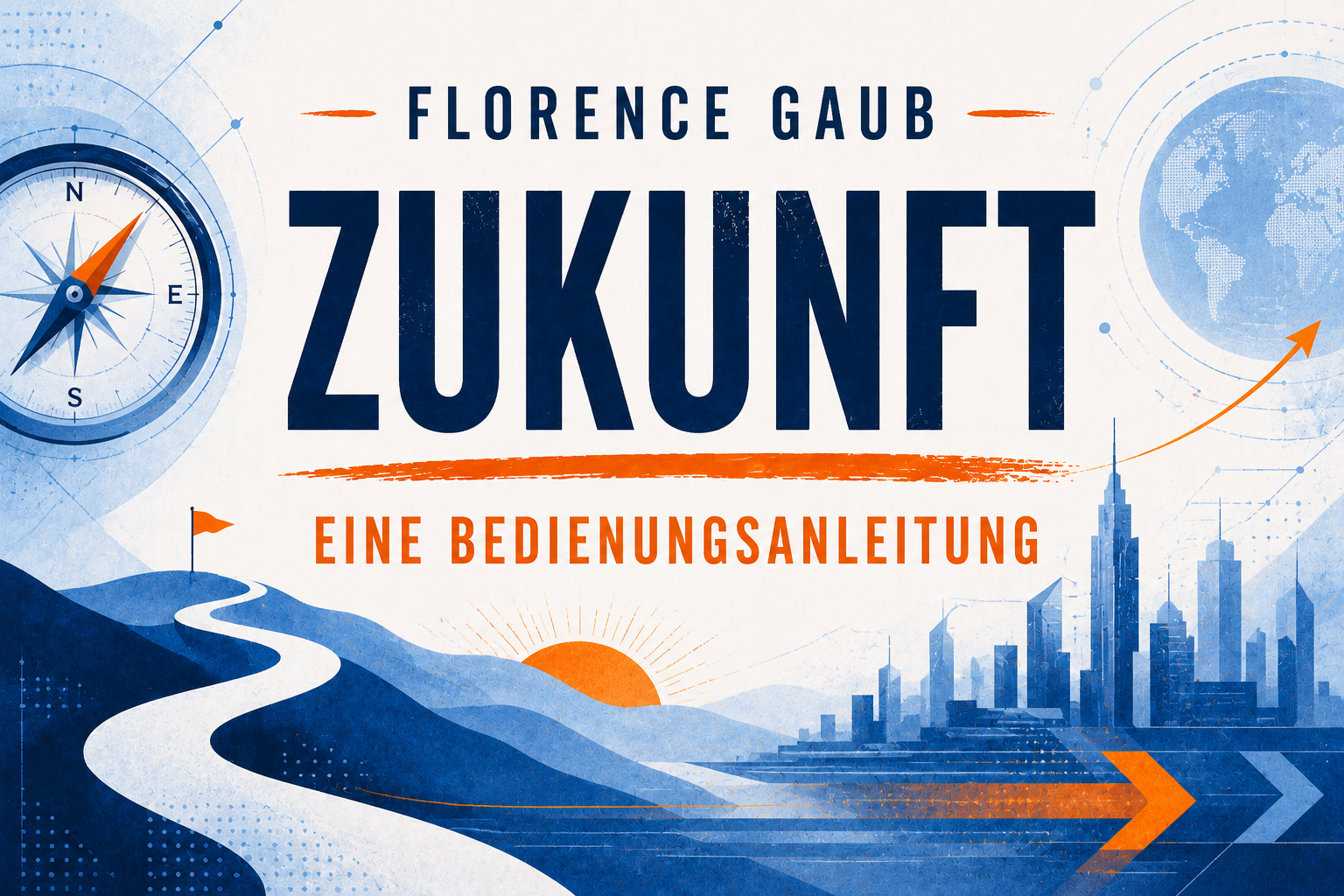
„Zukunft: Eine Bedienungsanleitung“
Was, wenn die Zukunft gar nicht das ferne, unbekannte Land ist, für das wir sie halten — sondern ein Ort, den wir jeden Tag selbst erschaffen?
-
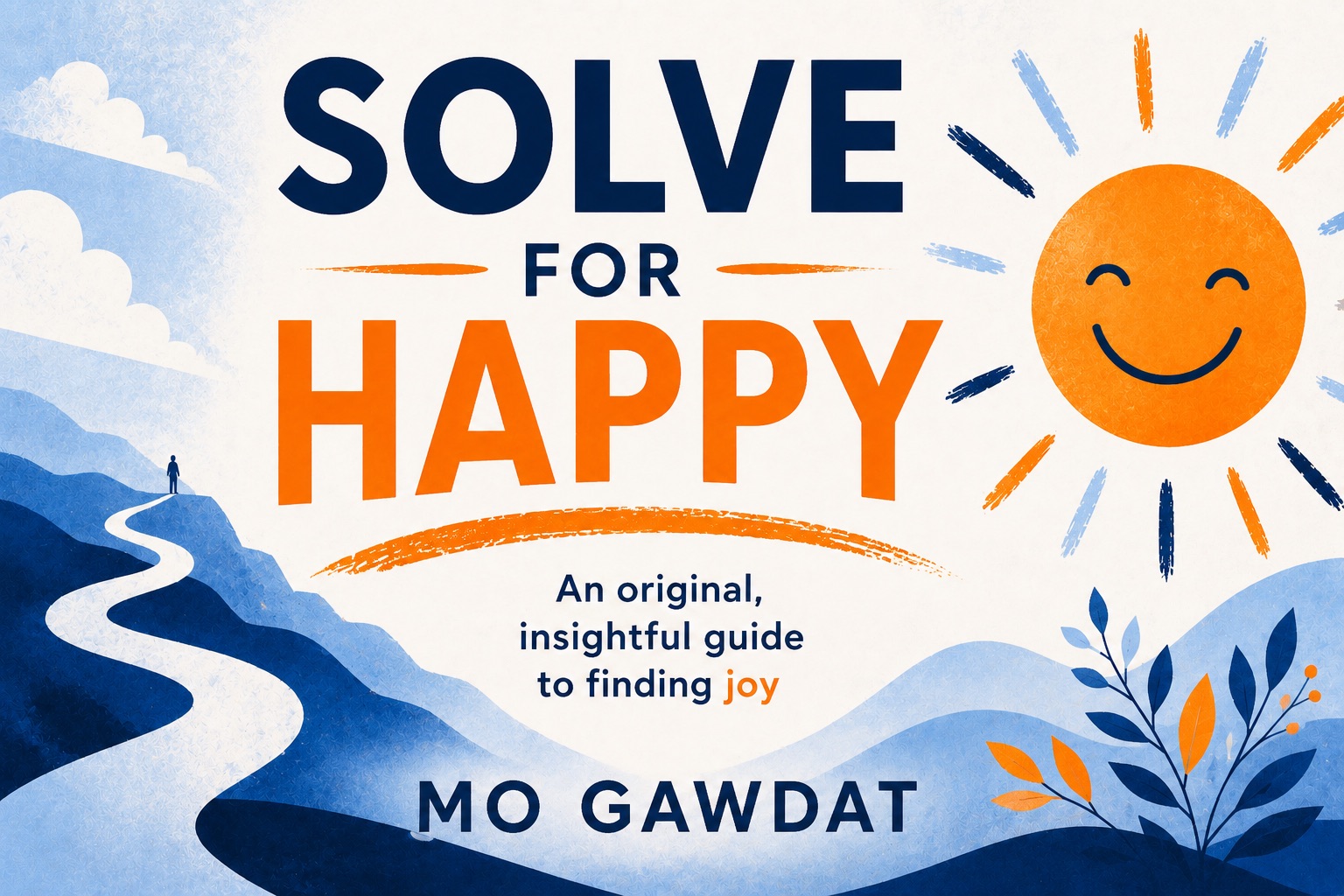
„Solve For Happy“
In a world drowning in happiness advice, Solve for Happy stands out because it was written not from a place of success, but from the very bottom of loss — and that, more than any formula, is what makes it…
-
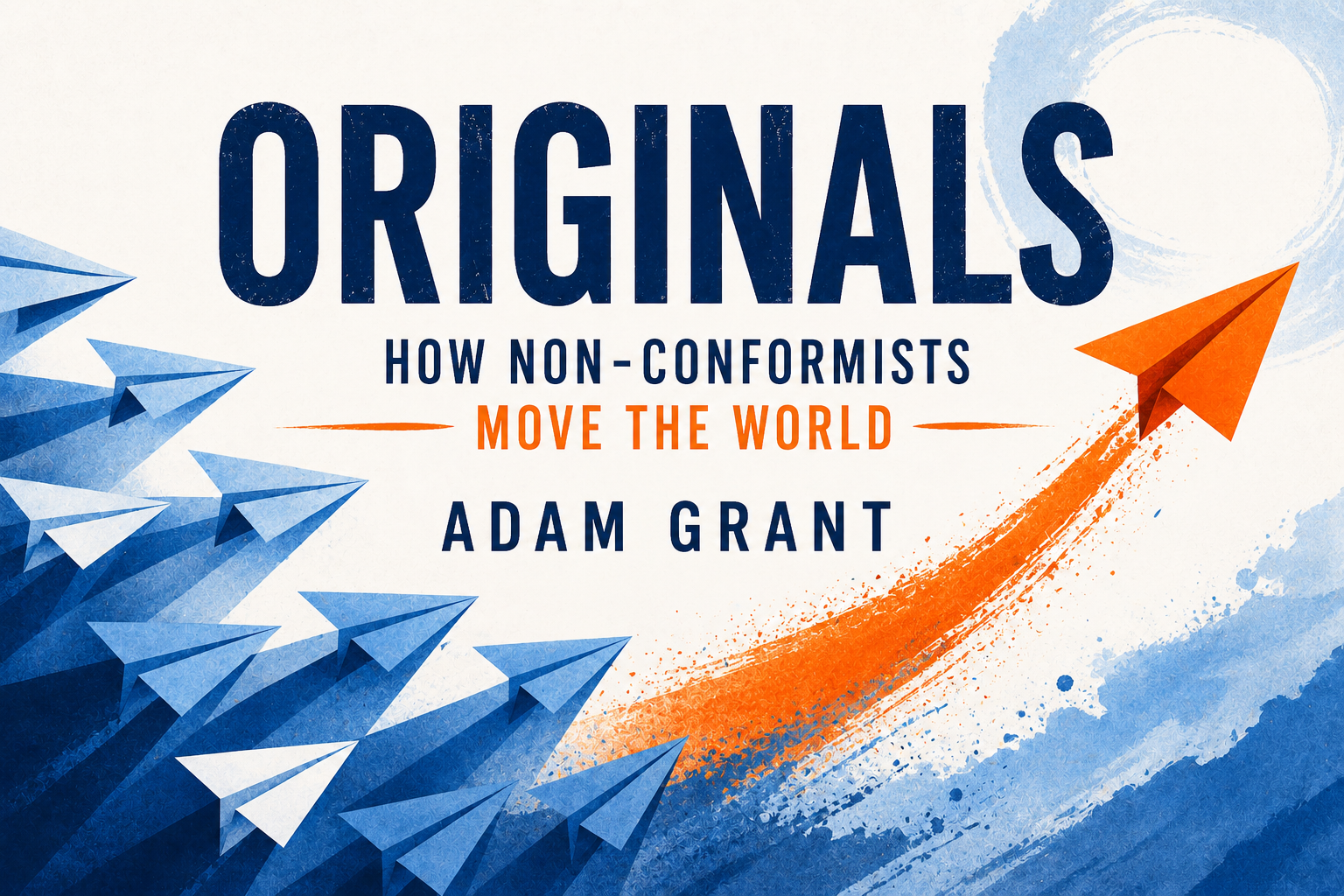
„Originals“
What if the people who change the world are not the fearless, risk-taking visionaries we imagine them to be — but rather ordinary people who simply chose to act on their doubts instead of being paralysed by them?
-
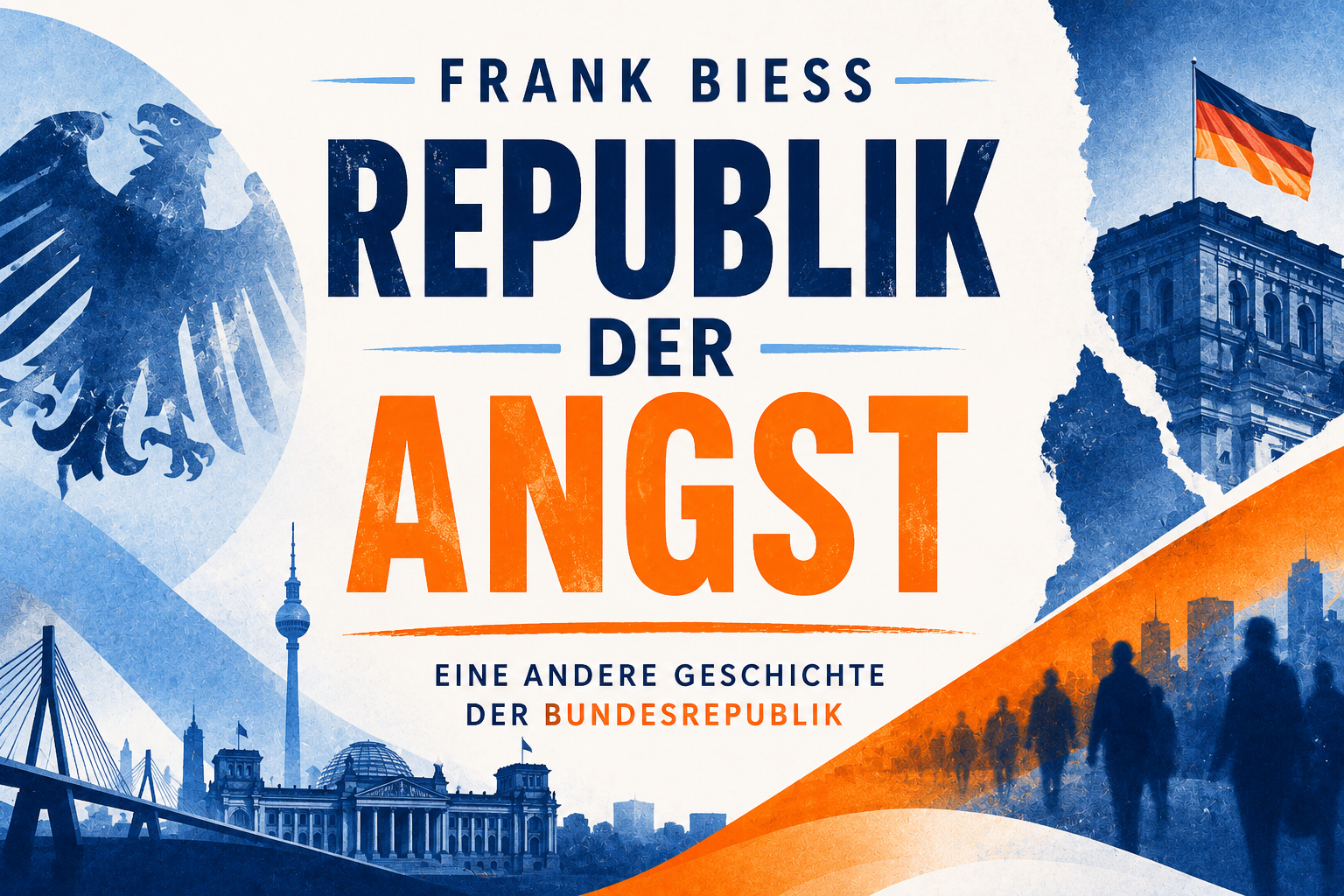
„Republik der Angst“
Was wäre, wenn Angst nicht nur ein persönliches Gefühl ist, sondern der eigentliche Motor einer ganzen Gesellschaft?
-
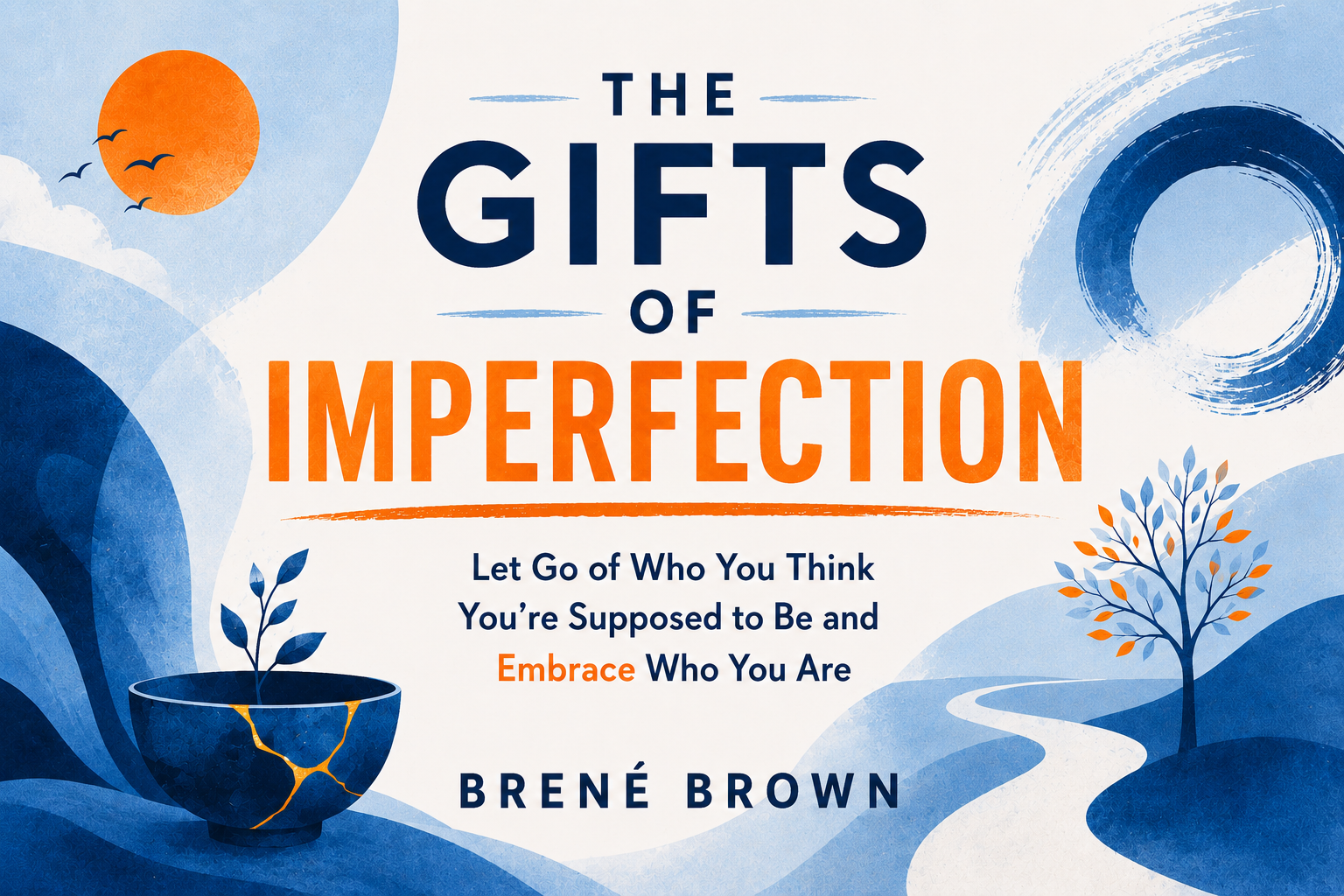
„The Gifts of Imperfection“
Brené Brown challenges the pervasive cultural belief that our worth is tied to our productivity, our appearance or our ability to hold everything together.
-
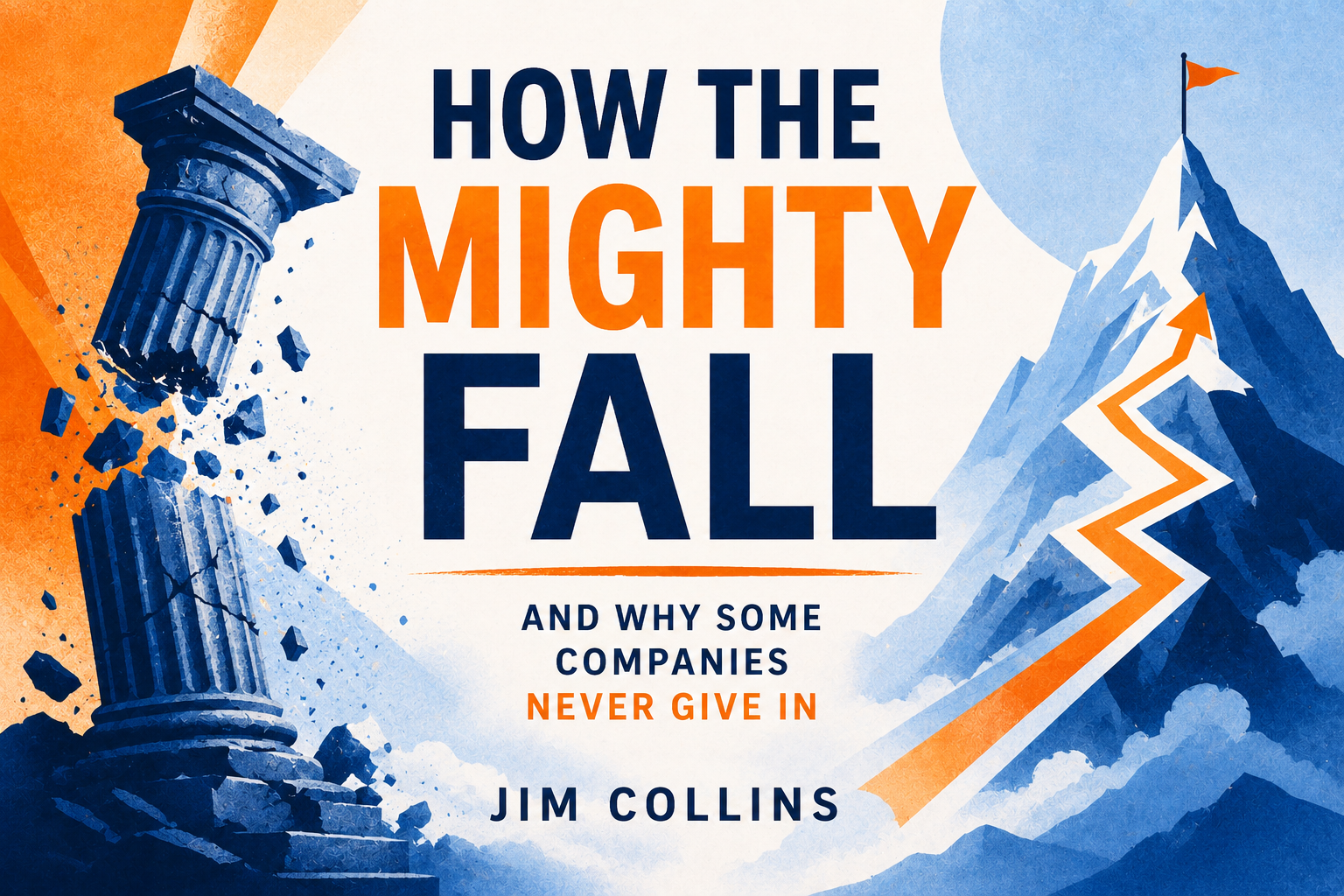
„How The Mighty Fall“
In this compelling and sobering study, Jim Collins examines why some of the world’s most successful companies collapse, while others manage to pull back from the brink at the very last moment.
-
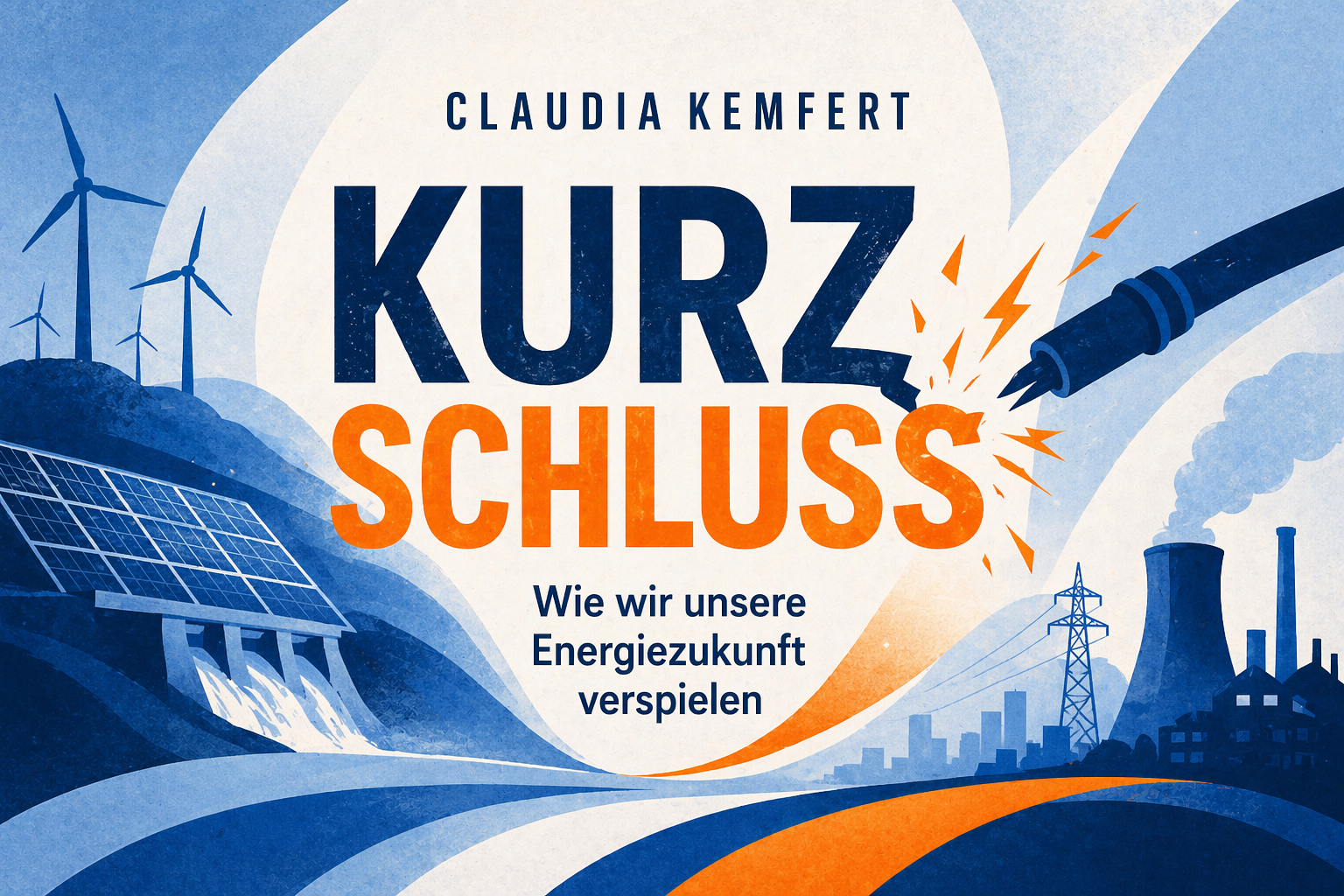
„Kurzschluss“
Das Buch ist ein Weckruf für alle, die verstehen wollen, warum wir energiepolitisch so viele Jahre verloren haben – und wie wir es besser machen können, bevor es zu spät ist.