
Schlagwort: book review
-

„Zukunft: Eine Bedienungsanleitung“
Was, wenn die Zukunft gar nicht das ferne, unbekannte Land ist, für das wir sie halten — sondern ein Ort, den wir jeden Tag selbst erschaffen?
-
„Solve For Happy“
In a world drowning in happiness advice, Solve for Happy stands out because it was written not from a place of success, but from the very bottom of loss — and that, more than any formula, is what makes it…
-

„Originals“
What if the people who change the world are not the fearless, risk-taking visionaries we imagine them to be — but rather ordinary people who simply chose to act on their doubts instead of being paralysed by them?
-

„Republik der Angst“
Was wäre, wenn Angst nicht nur ein persönliches Gefühl ist, sondern der eigentliche Motor einer ganzen Gesellschaft?
-
„The Gifts of Imperfection“
Brené Brown challenges the pervasive cultural belief that our worth is tied to our productivity, our appearance or our ability to hold everything together.
-
„How The Mighty Fall“
In this compelling and sobering study, Jim Collins examines why some of the world’s most successful companies collapse, while others manage to pull back from the brink at the very last moment.
-
„Everybody Matters“
This isn’t another feel-good leadership book with empty platitudes – Bob Chapman proved with decades of real results that caring leadership is the most strategic choice a company can make.
-

„Kurzschluss“
Das Buch ist ein Weckruf für alle, die verstehen wollen, warum wir energiepolitisch so viele Jahre verloren haben – und wie wir es besser machen können, bevor es zu spät ist.
-
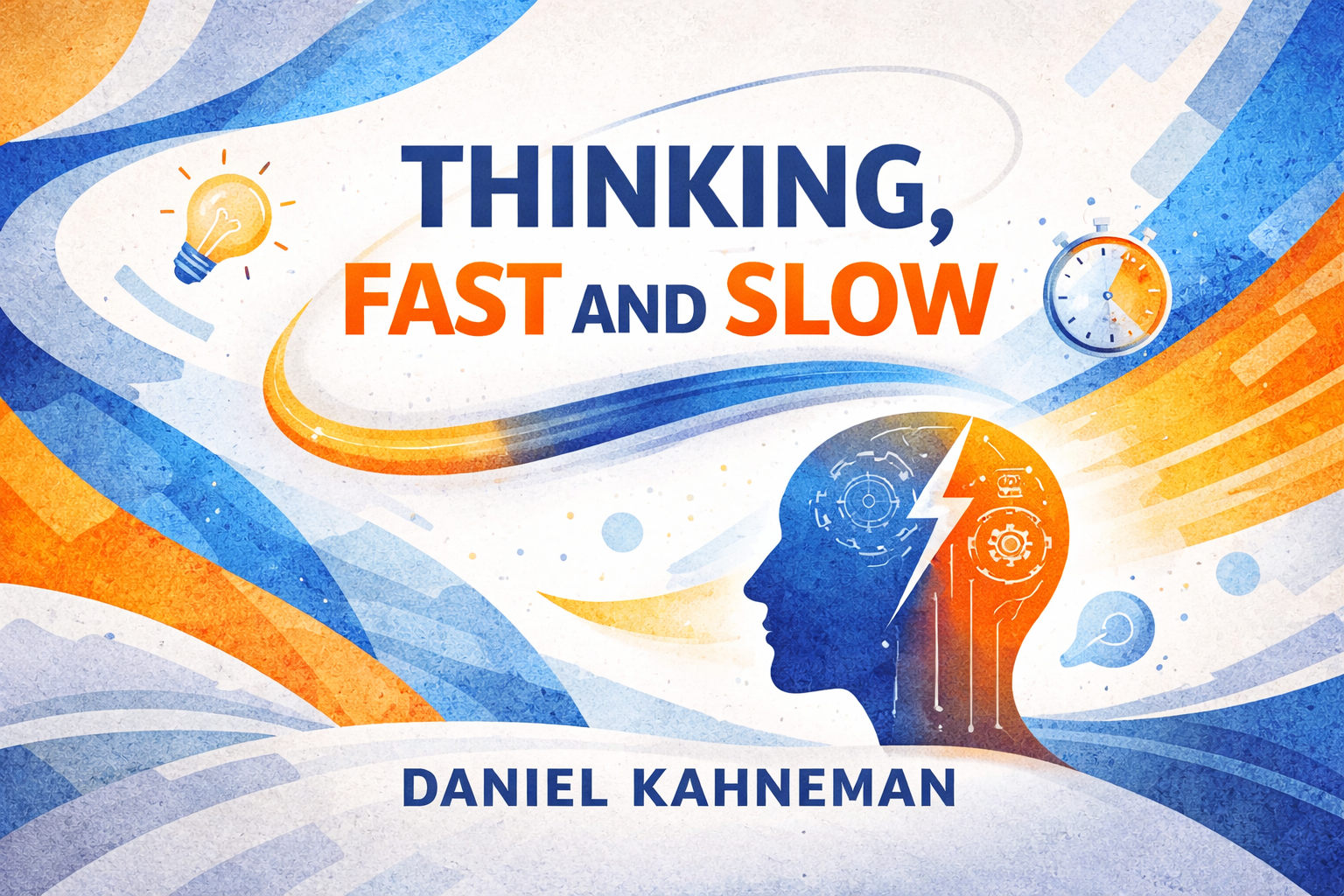
„Thinking, Fast and Slow“
Daniel Kahneman doesn’t just explain biases – he makes you see them in yourself. It’s humbling, eye-opening, and transformative.
-

„Alone in Japan“
Tom Feiling embarks on a solo journey through Japan. He explores a society grappling with hyper-aging, technological innovation, social isolation and environmental challenges that the rest of the world will soon face.